What Grades Do You Need to Get Into the Art Institute
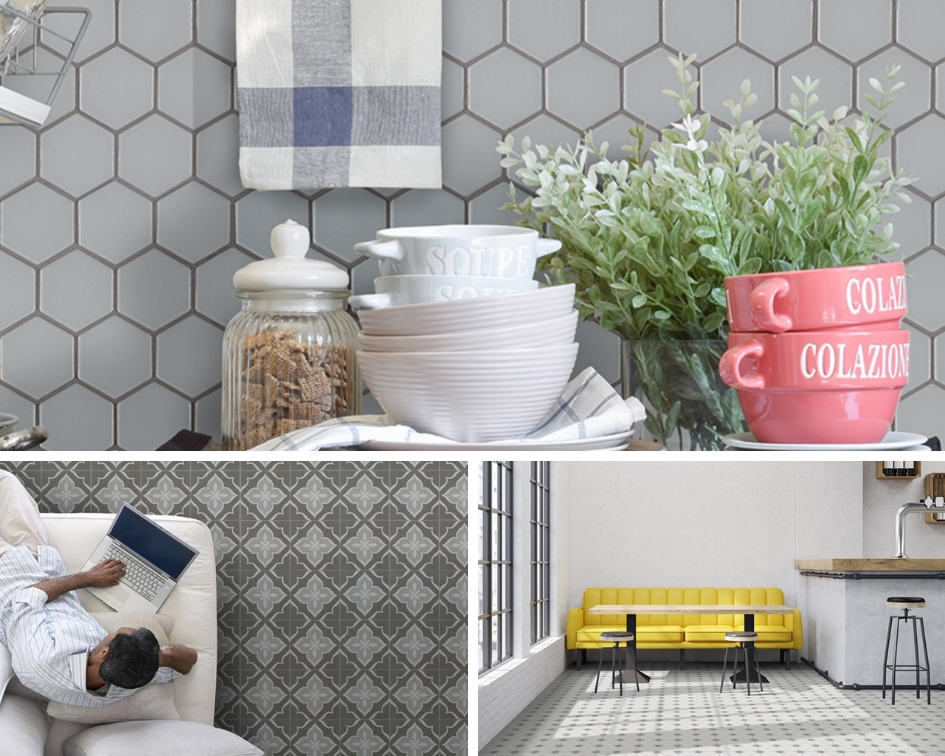
When you lot visit a tile shop or home-improvement store, you'll be offered an incredible array of options for your projection. Tiles of different sizes, colors, patterns, textures, and more compete for your attention, along with a large range of prices. Even if yous already have an idea of what you lot want, the process of choosing porcelain tile can be confusing.
In the past, it was hard for consumers to compare i tile to some other, since there were no consistent standards. Two tiles of similar size, appearance, and perhaps even price could have very unlike levels of hardness and durability. How disappointing it would be to find out that your favorite tile option was inappropriate for the project you had in mind!
Today, we have a simple grading organization that tells us the strength of porcelain tile — and makes it easy to determine where that type of tile would perform best. It's called the PEI rating calibration, created by the Porcelain Enamel Institute. Unlike other materials that are graded, the tile grading system does not indicate the quality of the tile, information technology simply categorizes the tile past its platonic usage. For case, tile with a PEI class of i, which is the lowest, can terminal for years and look gorgeous when it'southward installed equally a decorative wall tile.
The Porcelain Tile Manufacturing Process
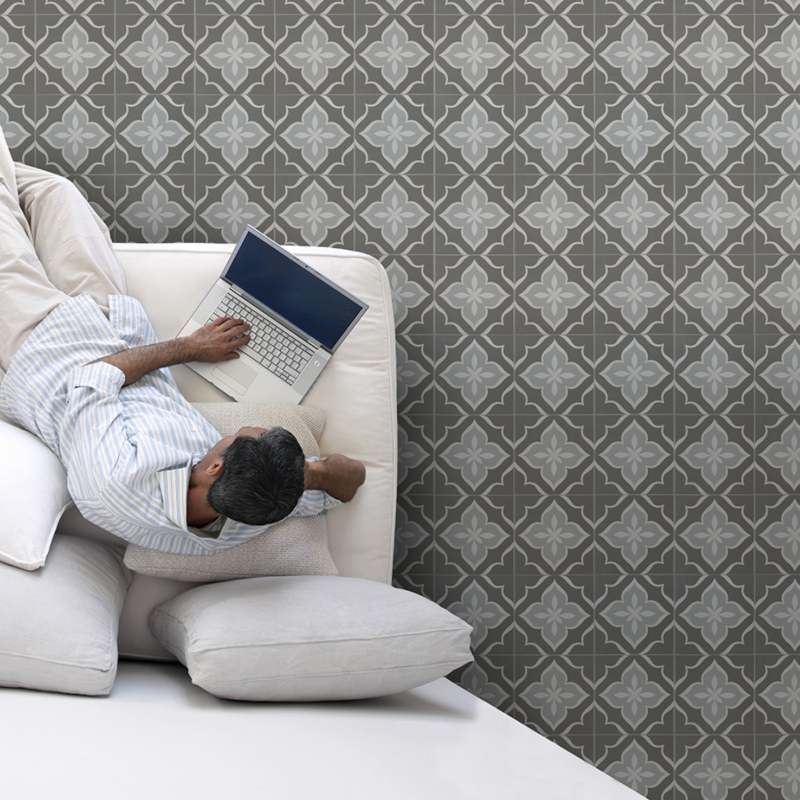
Featured: La-Fleur Porcelain Tile
Ceramic tile and porcelain tile take much in common in how they are manufactured and used. The principal difference is that ceramic tile is fabricated from clay, while porcelain's main ingredient is finely ground sand. Its manufacturing process also involves pressure level and a kiln with extremely high temperatures. This produces a very dumbo, durable tile. While ceramic tile is porous and needs to exist glazed to protect it against wet, porcelain tile has a h2o absorption rate of less than 0.5%.
Here is a summary of how porcelain tiles are made:
Mixtures for porcelain tile includes feldspar, silica sand, dirt, and other minerals in varying amounts. These are mixed with water.
A spray dryer removes extra water from the mixture to create the perfect consistency.
The mixture is pressed to form the tile. A punch is used to shape the tile into the desired size and shape.
At this point the tile is called greenware, which refers to a tile that has non been glazed or fired in a kiln.
The tiles are dried, then the blueprint and colors are practical using an inkjet printer. Next, a glaze is practical to protect the tiles.
The porcelain tiles are fired in a kiln, reaching temperatures up to 2,500 degrees Fahrenheit.
What Makes Some Tiles Higher in Class?
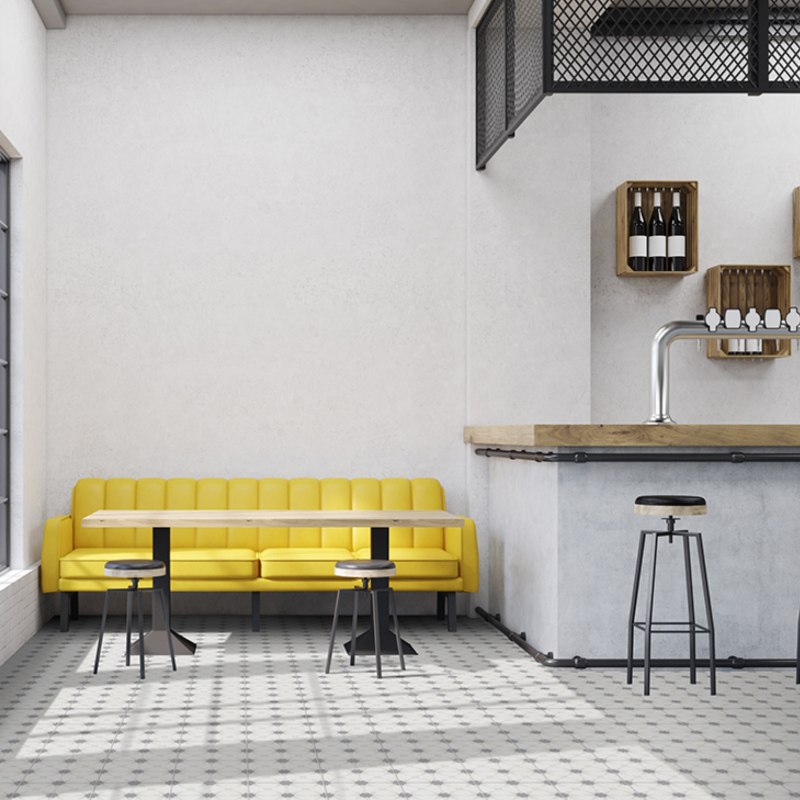
Featured: Zoudia Porcelain Tile
The form of porcelain tile is affected by the mixture of materials used in its manufacture, but by and large the grade is determined by the tile's thickness. Thin, course 1 tiles are not necessarily lower in quality than higher grades, they just accept different uses. You lot might want a thicker, more than durable tile for a floor with high traffic, while a thinner, lighter porcelain tile is ameliorate suited for wall application.
Here's how the PEI scale breaks down different types of tile:
Grade i
The least durable type of porcelain tile, Class 1 tile is intended for utilize on walls only. Information technology is not recommended for floors or countertops. These tiles are popular choices for kitchen backsplashes or bath walls, as they still evangelize many of the benefits of tougher porcelain tile grades such as water and stain resistance, beautiful patterns and colors, and low maintenance.
Course ii
In rooms that take light traffic such as bathrooms or bedrooms, Class 2 tiles can exist installed as floor. They are not designed to stand up to heavy foot traffic, and should not be used for tile floor in commercial spaces. This modernistic tile is also platonic for use every bit wall coverings.
Course 3
Most tiles that are designated as residential floor tiles are Course 3. They can stand to moderate pes traffic and everyday habiliment and tear, and are adequate for low-cal commercial applications such as offices or small-scale shops. Course three tiles are ideal for residential use in kitchens, family rooms, and hallways, and are also slap-up for countertops. They can also be used as outdoor porcelain tile.
Grade iv
For most commercial installations, Course 4 tile is recommended. It is intended for heavy traffic, and is often found in restaurants, shops, offices, and other spaces that need a durable, easy-intendance floor tile. Many homeowners also choose them for spaces that demand actress-strength flooring such every bit laundry rooms and mud rooms. They also make peachy porcelain pavers for patios.
Form v
The toughest porcelain tile bachelor on the marketplace, Grade 5 tiles are used in areas that receive very high foot traffic and are prone to a lot of habiliment and tear. They are pop for installation in schools, hospitals, grocery stores, and industrial buildings. Grade 5 tiles tin hold upwardly to harsh chemicals as well. Since their primary purpose is immovability, they are available in a limited diversity of colors and patterns.
Other Considerations for Choosing Tile
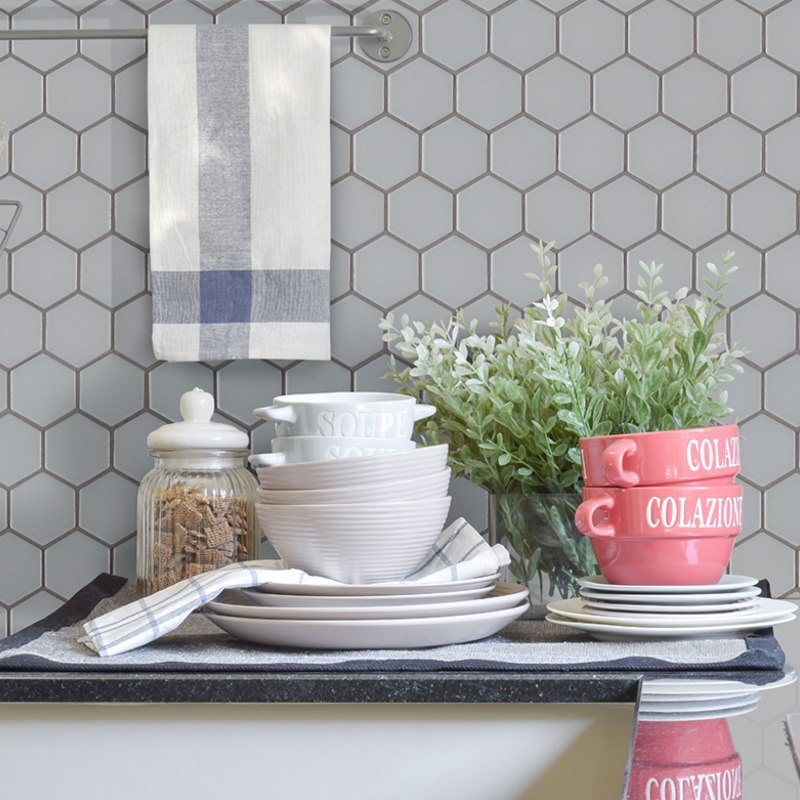
Featured: Retro Hexo Gray 6mm Matte Porcelain Tile
The PEI ratings for porcelain tile focus on the tile's force and durability, but there are other factors to consider when choosing the platonic tile for your project. These include:
Coefficient of friction refers to the try needed to movement an object across the tile surface, and is used to signal a tile's skid resistance. The recommended COF is at to the lowest degree 0.6 for level surfaces, and at 0.8 for ramps and sloped surfaces. Depending on where you volition install the tile, you may want a higher COF. For example, skid-resistant tile is best for bathrooms, kitchens, and other areas that may frequently exist moisture.
Shade variation describes the differences in shade, texture, or pattern amidst different tiles from the same production lot. These range from uniform variation, in which all tiles are about identical, to substantial variation, which features random differences between tiles and can create a unique, artistic effect.
Selection is an important factor too. Depending on the type of installation, you lot may want larger or smaller tiles, tiles with unique shapes, or mosaic patterns that combine tile and stone. You can also choose between a multitude of colors and patterns.
Spend some time browsing MSI's website to larn more than about the porcelain tiles nosotros offer. Each tile description will include all the information yous demand to select the right one — recommended uses, coefficient of friction, size, and more. You'll find we have a tile for every purpose, every decorating way, and every budget.
Source: https://www.msisurfaces.com/blogs/post/2019/05/13/the-different-grades-of-porcelain-tile.aspx

Post a Comment for "What Grades Do You Need to Get Into the Art Institute"