Why Is It So Hard to Lose Weight After a Baby
Practise you lot worry about getting "dorsum in shape" afterwards giving nativity? You're not alone. Returning to pre-pregnancy weight is a mutual and persistent cause of anxiety, only all is not lost.
The keys to successful postpartum weight loss, according to experts, are to empathise the nuts, brainstorm with the stop in heed, commit to a dull and steady do program, and maintain mental resilience.
We break these down and share tips on how you can set yourself upward for success throughout the procedure.
THE Nuts
Pregnancy weight gain is a natural and necessary miracle, said i expert, contributed to by the growing baby, the placenta and amniotic fluid.
Weight gain is also due to the changes a woman'south body makes to support the pregnancy, such as increased claret supply, uterus growth, increased breast tissue and fatty stores, said Dr Ho Xin Yi, an associate consultant at KK Women's and Children's Hospital's (KKH) obstetrics and gynaecology department.
During pregnancy, women may increment their daily caloric intake to back up the baby'due south growth, which causes weight gain likewise, she added.
If you're thinking near resisting weight gain, don't – it's a crucial aspect of delivering a healthy baby.
"Gaining the appropriate amount of weight in pregnancy ensures that your baby is of good birth-weight and as well means that you do not have too much extra weight to shed afterward commitment," said Dr Ho.
And how much weight gain is appropriate?
That depends on various factors including how much you weighed before the pregnancy, your health status and whether you're carrying a single babe, twins or triplets.
The recommended weight gain for women of normal body mass index (BMI), who are conveying i baby, is 11kg to 16kg throughout the pregnancy, with the majority of it taking place in the second and 3rd trimesters, said Dr Ho.
"If you have a higher BMI, you are recommended to gain less pregnancy weight," she added.
And once the babe has been delivered safely, information technology is "critical" that the adult female try to render to her pre-pregnancy weight, unless she is underweight, Dr Ho said.
According to Caroline Chua, a senior master physiotherapist at KKH, the target weight loss afterward delivery should exist 1kg to 2kg a month.
"Many studies evidence that if the excess weight is not lost from six to 12 months later on delivery, it may stay with the woman for a long fourth dimension. The weight gained from each and every subsequent pregnancy may accumulate, causing obesity, which poses diverse health risks such as heart disease and diabetes.
"Going into a hereafter pregnancy at a higher weight is more probable to put the mother and infant at risk of medical complications such equally diabetes or high blood pressure level in pregnancy," she said.
Today, 1 in four women retain more than 5kg of their pregnancy weight a twelvemonth after commitment, she added. Why is pregnancy weight loss such a challenge for so many women? These are the most common struggles, experts said, while sharing the best way to overcome them.
STRUGGLE #1: EARLY, EXCESSIVE WEIGHT Gain
One of the main reasons losing weight is a challenge for many women is excessive weight gain during pregnancy, particularly in the first trimester. This makes it essential for a adult female to enter her pregnancy with the ideal outcome in mind, that is, healthy weight loss postpartum.
"It is important to understand that very picayune to no additional calories are required during the showtime trimester," said Dr Ho, adding that many women struggle with this, especially those who cope with nausea by snacking, or overeat when they are fatigued.
Information technology is crucial at this stage for expectant mothers to focus on eating nutrient-dense foods, and avoid empty calories and desserts, she said.
STRUGGLE #ii: INCONSISTENT Exercise
The second reason, according to Dr Ho, is a lack of cocky-care for the mum in the form of do.
"Having a baby is nil short of miraculous and joyous but information technology is also stressful. With such a big change in one's life, certain other priorities may be ranked less essential, especially for a new mother," said Dr Ho.
Still, women should go along in mind that they need to prioritise their own health and to stay fit so they volition be able to cope with new challenges physically, mentally and emotionally, she said.
Withal, women should non attempt to jump straight into a strict exercise regimen later on giving birth.
Resuming pre-pregnancy exercise should be "gradual and varied according to the individual", said Chua.
"Losing weight and returning to pre-pregnancy fitness and shape too much or besides fast may delay your recovery," she said, calculation that excessive weight loss may likewise lead to a decrease in milk production.
Chua said women tin can practise at to the lowest degree three times a calendar week for the commencement half-dozen weeks, only each session should exist limited to five to ten minutes. Only after half dozen weeks can they brainstorm to slowly work their way to 30 minutes per session.
Those who take had a caesarean delivery or take co-morbidity issues – which can include medical conditions like asthma and diabetes – should check with their doctor before starting their exercise routine, Chua said.
Mothers who breastfeed should also do then before exercise to avert the build-upwardly of lactic acid in the chest milk and to foreclose discomfort during exercise due to breast engorgement.
These are the types of practise you can do during the showtime half dozen weeks, co-ordinate to the physiotherapist:
- Walking
- Abdominal breadbasket tuck (avert sit down-ups and crunches as this may be detrimental to your back considering your pelvic floor and intestinal muscles are not strong enough at this bespeak)
- Pelvic tilt
- Pelvic floor musculus exercises
Recommended types of exercise after six weeks:
- Walking
- Swimming
- Low-bear upon aerobics
- Pilates
- Yoga
- Fitball
- Aqua exercise
- Abdominals, including curl-ups and obliques
Recommended types of practice later four months:
- Sports
- Jogging or running
- Moderate to high-affect aerobics
Y'all could say that such exercises seem basic, even for those who did non have a workout routine earlier their pregnancy. Only women all the same struggle.
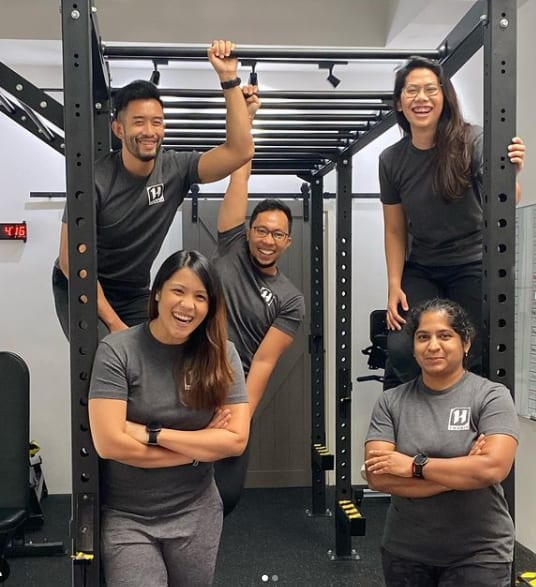
Aqilah Norazman, a fitness and nutrition coach with nearly a decade'southward worth of experience working with women postpartum, said the most common struggle amid her clients is their disability to stick to an exercise routine or adhere to nutrition habits.
They "constantly look dorsum and compare (themselves) to how they used to be pre-pregnancy," said Aqilah, who runs fitness studio one-Habit Coaching.
Such "constant comparing can atomic number 82 to a lot of mental blocks that terminate them from adhering to the tasks they need to deport out to attain their goals", she said.
For those who struggle with committing to a disciplined diet and practice routine, coaches like Aqilah tin be helpful.
Clients volition be put through an in-depth assessment and consultation, during which they can "share stories from their pregnancy" and have an "open conversation" most their diet habits and struggles.
"It is important for me as a coach to remember that every pregnancy is unlike and all of these women would've gone through a very different experience pre-, during and post-pregnancy, so the (session) is so important to establish what they've been through and where they want to get postpartum," said Aqilah.
Depending on their goals, clients may then brainstorm forcefulness grooming to assistance rebuild their neuromuscular organization, build forcefulness and lean muscle, and increase metabolism, said the trainer.
This guided training may be paired with cardio sessions, customised by the coach, that they can exercise at their own time.
"I besides recommend recovery piece of work similar yoga, stretch mobility and Pilates to assistance them regain confidence moving in their own skin and help them be in tune with their natural movements," said Aqilah.
STRUGGLE #three: POOR DIETARY HABITS
According to Aqilah, these are the nutrition guidelines that nigh postpartum women can observe to promote weight loss:
- Slowly and steadily increase protein intake to help curb cravings and hunger.
- Choose, as much as possible, to eat wholegrain carbohydrates.
- Larn how to mind to hunger cues to assist yous eat mindfully.
- Don't count calories or start a diet. Instead, work on irresolute diet habits one at a time, focusing on the easiest start.
- Try not to restrict yourself from any food as it has the potential to "backfire". Instead, work on achieving a balanced diet that is fabricated up predominantly of fresh and whole foods, while mindfully treating yourself with your favourite foods.
STRUGGLE #4: UNABLE TO BREASTFEED
"If in that location is no medical contraindication, breastfeed!" said Dr Ho.
It helps mothers lose weight quicker because the body burns approximately 500 more calories daily to produce breast milk, helping your body accomplish the calorie arrears needed for weight loss.
Breastf eeding also produces the hormone oxytocin, which helps the womb contract, reducing the gamble of postpartum haemorrhage.
It is also well known, co-ordinate to Dr Ho, that chest cancer and ovarian cancer are less mutual in women who have breastfed, and that the protective issue increases the longer you breastfeed.
Despite its benefits, many women do not breastfeed or do so for a short period only because of difficulties such as beingness unable to get the babe to latch properly and trouble maintaining supply. In such situations, they are brash to speak to their doctor or get aid from a lactation consultant, said Dr Ho.
Ultimately, Dr Ho said, a woman should be able to return to her pre-pregnancy weight if she is diligent virtually weight loss by maintaining an exercise authorities and sticking to a healthy balanced diet, and if she has good support from family and friends.
All the same, there remain many barriers that may influence a woman to act otherwise.
"Should the weight gain persist, she should consult a weight direction specialist that can help provide medical insight and come up up with an intervention plan.
"In some instances, there could exist an underlying medical status that is resulting in the weight gain, for example, thyroid conditions," said Dr Ho.
CNA Women is a new section on CNA Lifestyle that seeks to inform, empower and inspire the modern woman. If yous accept women-related news, issues and ideas to share with u.s., email CNAWomen [at] mediacorp.com.sg .
Why Is It So Hard to Lose Weight After a Baby
Source: https://cnalifestyle.channelnewsasia.com/women/pregnancy-weight-loss-postpartum-tips-experts-281356

Post a Comment for "Why Is It So Hard to Lose Weight After a Baby"